Coach. Podcaster. COACHCASTER.
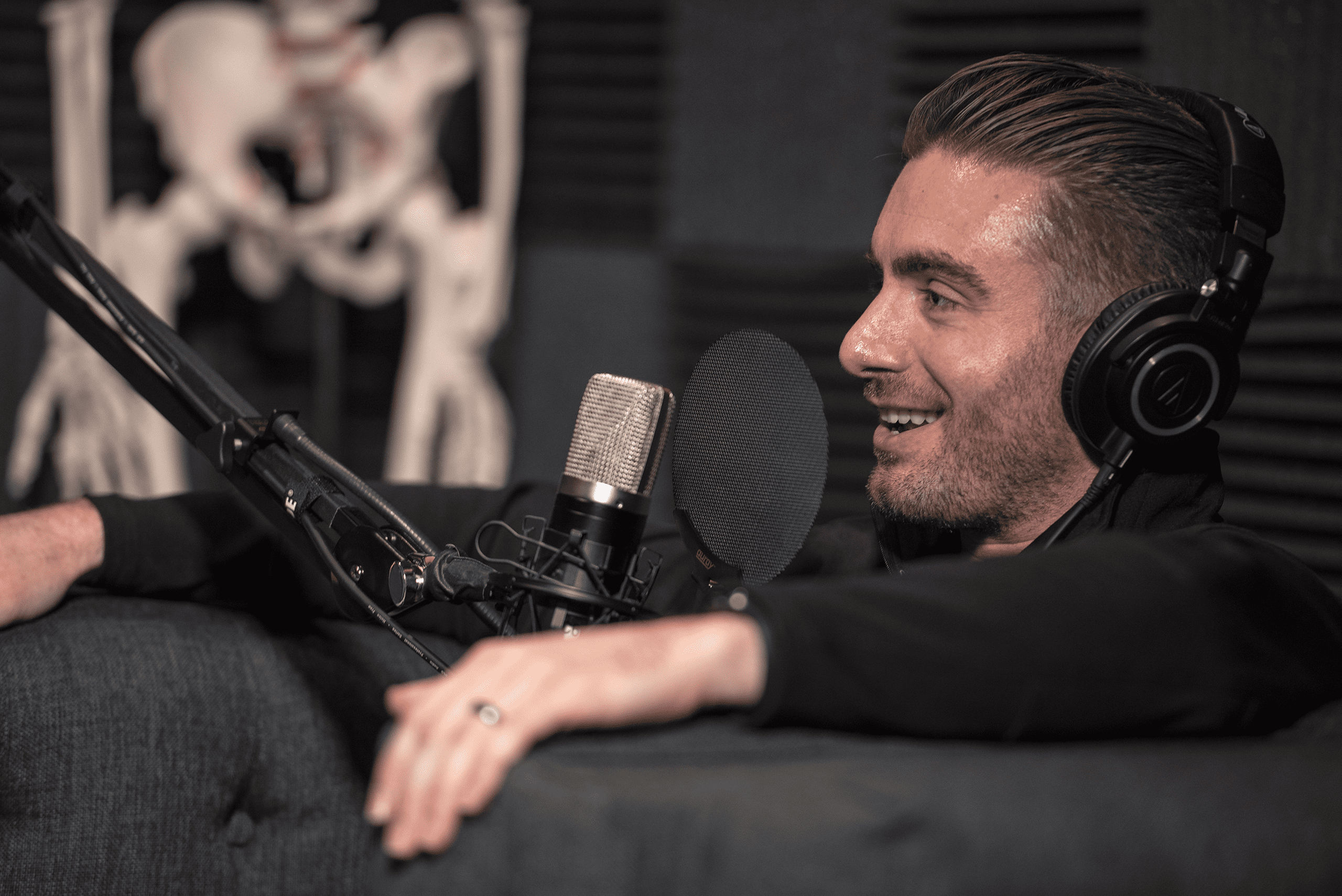
Health coach turned podcaster, Chase interviews industry leaders in fitness nutrition and mindset. Messages to help you live a life EVER FORWARD.
Chase Chewning, MS, ACE CHC
Listen On


Episodes
Latest Episode

How Women Can Thrive Through Perimenopause and Beyond: Lessons from Dr. Jessica Shepherd
Redefining Women’s Health and Longevity
Women today are living longer than ever before—but as Dr. Jessica Shepherd explains, many spend the last decades of life in poor health. The challenge isn’t just lifespan—it’s healthspan.
Dr. Shepherd, an OB/GYN, author of Generation M, and women’s health advocate, believes the key to longevity begins in midlife. “We have to reframe this stage,” she says. “It’s not the end of vitality—it’s the opportunity to thrive.”
The Mindset Shift: Health as an Opportunity
When most women hit their 40s, habits are well established—career demands, caregiving, stress. But Dr. Shepherd says transformation starts with mindset. “The mind navigates everything,” she explains. “If you want your body to follow, start by asking how you want to show up for yourself.”
Mindset, community, and small, consistent action form the foundation of long-term change.
Why Modern Medicine Still Misses the Mark
Women’s health has historically been underrepresented in research. Until the 1970s, most clinical studies excluded women entirely. “Even today,” Dr. Shepherd notes, “only 3 percent of venture-capital funding goes to women founders in health innovation.”
This lack of inclusion has left generations of women misinformed or unsupported—particularly during the transition into perimenopause and menopause.
Understanding Perimenopause: 10 Years of Change
Perimenopause can begin years before the final menstrual cycle. Cycles may become irregular, moods shift, and energy fluctuates. Dr. Shepherd points out that estrogen and progesterone receptors are found throughout the body—in the brain, muscles, and heart—so when hormones decline, the effects reach far beyond reproduction.
More than 34 symptoms can appear during perimenopause, including night sweats, brain fog, anxiety, low libido, and itchy skin. Yet despite how common these issues are, recent U.S. studies show that only 8 percent of women with symptoms ever receive a clinical diagnosis.
Hormones, Heart Health, and Misleading Fears
Cardiovascular disease remains the number-one killer of women, often accelerating after menopause as estradiol levels fall. “Estradiol is cardioprotective,” says Dr. Shepherd. “When it’s gone, arteries stiffen, plaque builds, and risk rises.”
Hormone replacement therapy (HRT) was once standard care—until a flawed 2002 study caused panic. “Prescriptions dropped 82 percent almost overnight,” she recalls. “Even today, only 5 percent of women are on HRT.” Now, updated evidence shows the benefits of properly monitored hormone therapy often outweigh the risks, improving symptoms and long-term health outcomes.
Muscle: The Forgotten Organ of Longevity
According to Dr. Shepherd, muscle is the true organ of longevity. “We lose 3 to 5 percent of our muscle mass every decade—and that rate accelerates after menopause,” she says. “Resistance training is not optional. It’s your ticket to strong bones, a healthy metabolism, and better brain health.”
She emphasizes protein intake—around 1.2 grams per kilogram of body weight—and consistent movement as non-negotiables for women who want to stay vibrant into their 70s and beyond.
The Inflammation Connection
Estrogen is also a powerful anti-inflammatory hormone. As levels decline, inflammation, insulin resistance, and diseases like hypertension, arthritis, and thyroid dysfunction increase—rising by 45 percent or more between ages 40 and 59.
“When estrogen drops, the body’s entire ecosystem shifts,” Dr. Shepherd says. “That’s why perimenopause isn’t just hormonal—it’s metabolic, neurological, and cardiovascular.”
The Future of Women’s Health: Biohacking and Beyond
While full “menopause reversal” isn’t possible, researchers are exploring ovarian-longevity science to extend natural estrogen production. But Dr. Shepherd insists the most effective biohack remains timeless: exercise. “Movement is medicine,” she says. “It supports glucose control, brain function, and emotional well-being.”
Living Ever Forward
For Dr. Shepherd, living Ever Forward means embracing flexibility and reflection. “The more rigid we are, the less we grow,” she says. “Pause, learn, adapt. That’s how we thrive.”
Her message is clear: menopause isn’t a decline—it’s a transition. With the right mindset, muscle, and medicine, women can live not just longer, but better.
Key Takeaways
Women lose 3–5 % of muscle mass per decade, accelerating post-menopause.
Only 8 % of symptomatic women receive a perimenopause diagnosis.
Hormone therapy usage dropped 82 % after 2002 but remains a powerful tool.
Cardiovascular disease is the #1 killer of women post-menopause.
Midlife health is not just hormonal—it’s metabolic, mental, and social.
Want more insights from Dr. Jessica Shepherd?
Follow her on Instagram @jessicashepherdmd and visit JessicaShepherdMD.com for her latest work on women’s health, perimenopause, and longevity.
Timestamps
00:01 - Intro & shocking stats: women live longer but spend more years in poor health; HRT prescriptions dropped 82%after 2002
00:28 - Muscle as the organ of longevity; women lose 3–5% per decade, accelerated after menopause
01:18 - Why estrogen decline shifts the whole body; Dr. Shepherd introduces herself and her mission in women’s health
02:15 - Redefining women’s health & longevity; why women aren’t thinking about longevity soon enough
04:23 – Mindset, habits, and community as the foundation of midlife health
07:13 - Barriers to staying well: socioeconomic factors, upbringing, access, and misconceptions about wellness
09:33 - Women’s current wellness landscape; societal expectations, caregiving burden, and systemic gaps
12:46 – Major healthcare gaps: lack of research, exclusion of women from clinical studies until the ’70s, and only 3% of VC health funding going to women
17:30 – Pharma eliminating women’s health divisions; downstream effects on innovation and access
19:10 – Perimenopause 101: defining terms, symptoms vs. cycles, 34+ possible symptoms, and why diagnosis is trick
24:45 – The cardiovascular danger of estrogen decline; heart disease as the #1 killer of women
27:02 – Stress vs. perimenopause symptoms; mood disorders peak between 45–55
29:48 – How HRT has evolved in the last 10–20 years; symptom relief and longevity benefits
32:32 – Why only 5% of women are on hormone therapy today; misconceptions and new guidelines
34:20 – WHI study deep dive: media panic, misinterpretation, lack of statistical significance, and lasting fear
39:06 – Risk vs. benefit: how to think about HRT decisions with your provider
41:51 – Chase shares his TRT story; quality of life, fertility considerations, and hormone literacy
45:16 – Dr. Shepherd’s personal hormone story: cognition issues, testosterone, and starting estrogen at 46
48:12 – Supplements Dr. Shepherd uses: Vitamin D, creatine, CoQ10, Urolithin A
50:10 – Muscle, mitochondrial health, sarcopenia & glucose control: why resistance training is non-negotiable
52:25 – Movement, neuroplasticity, balance & cognition: why staying active protects the aging brain
55:12 – How partners can best support women in perimenopause: emotional support & shared routines
57:52 – The science of emotional support: social connection decreases pain, inflammation, and improves outcomes
59:22 – Menopause explained: average age, symptom timeline, and the hidden cellular changes
01:02:39 – Nutrition, glucose control, protein needs, alcohol & sugar intake, and metabolic health
01:07:07 – Protein requirements (1.0–1.2g/kg), resistance training, and why women must build muscle
01:09:37 – U.S. data: 55%+ of women report symptoms; only 8% diagnosed; why doctors miss it
01:12:34 – Which providers are best for menopause care & what certifications to look for
01:15:31 – Comorbidities rise 45% between 40–59: hypertension, thyroid, arthritis, sleep disorders & estrogen’s role
01:18:25 – Is biohacking menopause possible? Current limits + ovarian longevity research
01:22:24 – Exercise as the ultimate biohack; sustainable movement for aging wel
01:23:19 – Final Q: How Dr. Shepherd lives Ever Forward — flexibility, pause, and growth
Key topics we cover include: women’s health, perimenopause symptoms, menopause diagnosis, hormone therapy, longevity for women, muscle loss menopause, resistance training, estrogen decline, women’s heart health, midlife wellness
Previous Episodes

Stop Trying, Start Doing: How to Overcome Fear, Procrastination, and People-Pleasing with Carla Ondrasik
What if the one word holding you back from the life you want… is trying?
In this powerful episode of Ever Forward Radio, I sit down with Carla Ondrasik, author of the new book Stop Trying: The Life-Transforming Power of Trying Less and Doing More, to dismantle the myth that “trying” is a noble effort. Carla makes a bold claim—trying is not courageous, it’s actually a fear response. And when you stop trying, you finally start doing.
Whether you're stuck in procrastination, afraid of failure, or caught in the loop of people-pleasing, this conversation offers a mindset shift that will empower you to take real action and reclaim your power.
Follow Carla @carlaondrasik
Follow Chase @chase_chewning
-----
🔥 In this episode, you'll learn:
Why trying is often disguised procrastination
The neuroscience of why “trying” feels good—but keeps us stuck
How people-pleasing uses "I'll try" to avoid setting boundaries
The real reason motivation doesn't come before action
How silence and accountability make your goals stronger
Why replacing “try” with “do” instantly increases your chance of success
Carla shares personal stories from her music industry days—including the bold pitch that landed a hit song with Cher—and walks us through how to break the cycle of mental spinning and half-hearted attempts. With practical tools, mindset exercises, and a no-fluff philosophy, Carla proves that clarity, commitment, and courage are the true drivers of transformation.
-----
🎧 Listen if you want to:
Finally stop procrastinating and start taking action
Break the habit of overthinking and perfectionism
Build better boundaries without guilt
Unlearn the generational mindset of “just try your best”
Get out of your own way and into a life of real progress
📚 Grab Carla’s Book: Stop Trying
Stop Trying is available everywhere books are sold. Want to listen for free? You can get the audiobook version on Audible with a free 30-day trial: audibletrial.com/everforward
🧭 Live a Life Ever Forward
Carla’s message aligns perfectly with the Ever Forward philosophy: to live with intention, take ownership of your path, and move boldly toward your goals. If you're ready to drop the excuses and finally do the thing, this episode is your wake-up call.
👉 [Listen now on Apple Podcasts, Spotify, or YouTube] 👉 Follow Carla Ondrasik on Instagram 👉 Pre-order the book
🔍 Key concepts we talk about:
stop trying book, Carla Ondrasik, fear of failure, procrastination help, productivity mindset, how to stop people pleasing, try vs do, motivational podcast, mindset shift, stop trying start doing, how to take action, personal growth podcast

Nov 13, 2025
EFR 908: How to Use Methylene Blue Safely for Energy, Recovery & Brain Health with Dr. Scott Sherr
00:00:00
00:00:00
💙 The Truth About Methylene Blue: How This 150-Year-Old Compound Is Transforming Energy, Focus, and Longevity
If you’ve ever felt that mid-afternoon crash, the kind that even another cup of coffee can’t fix, there’s a good chance it’s not just “fatigue” — it’s cellular dysfunction.
Your body’s mitochondria — the tiny powerhouses that produce energy inside every cell — may be struggling. And according to Dr. Scott Sherr, internal medicine physician and Chief Operating Officer at Troscriptions, there’s a simple, scientifically proven tool that can help your cells bounce back fast: methylene blue.
In this episode of Ever Forward Radio, Dr. Sherr returns to explain how this bright blue compound, once used to dye jeans and treat malaria, has become one of the most exciting discoveries in mitochondrial medicine — helping people unlock clean, sustained energy, sharper focus, and faster recovery.
Follow Scott @drscottsherr
Follow Chase @chase_chewning
🔋 What Is Methylene Blue?
Methylene blue is one of the oldest drugs in medical history — developed in the 1800s as a textile dye and later approved by the FDA as an antimicrobial treatment for malaria.
But today, research shows it does much more. It’s now being used at low doses as a mitochondrial optimizer, meaning it helps your body both produce and detoxify energy at the same time — something no other compound can do.
That’s what makes methylene blue so powerful: while caffeine pushes your system harder, methylene blue actually supports it — improving how your cells convert oxygen and nutrients into energy (ATP), while reducing the oxidative stress that causes fatigue, aging, and inflammation.
“Methylene blue is one of the only compounds that helps your cells both make and detoxify energy at the same time.” — Dr. Scott Sherr
🧠 How It Works: The Cellular Mechanism of Energy
Inside your mitochondria, there’s a complex process called the electron transport chain. It’s how your body creates ATP — the molecule that fuels every thought, heartbeat, and muscle contraction.
When that system breaks down due to stress, toxins, or overtraining, energy output plummets and symptoms like brain fog, poor recovery, and fatigue appear. Methylene blue acts as an electron carrier, helping restore balance by bypassing damaged parts of the mitochondria and keeping energy flowing smoothly.
That’s why Dr. Sherr calls it the ultimate “cellular tune-up” — it literally helps your mitochondria breathe easier.
💪 Performance, Recovery, and Real-World Results
In this episode, Dr. Sherr shares remarkable stories from his clinical practice — from patients with chronic fatigue who regained energy within days, to endurance athletes who used methylene blue to cut hours off their race times.
One athlete competing in the grueling Leadville 100 ultramarathon shaved three hours off his finish time after using a methylene blue protocol to boost endurance and recovery.
Even for everyday wellness enthusiasts, Dr. Sherr says methylene blue can help you recover faster, think clearer, and perform better — whether it’s in the gym, the boardroom, or while traveling.
“It’s not caffeine, it’s not a stimulant — it’s clean, cellular energy that helps you perform and recover better.” — Dr. Scott Sherr
✈️ Travel, Oxygen, and Jet Lag: Why Methylene Blue Is the Frequent Flyer’s Secret Weapon
Ever feel exhausted after flying, even when you didn’t do much? That’s because commercial airplane cabins are pressurized to around 7,000–8,000 feet — meaning you’re getting less oxygen with every breath.
Methylene blue acts like a cellular oxygen enhancer, supporting energy production even in low-oxygen environments. Taking it before a flight can help you arrive with more energy, better focus, and less jet lag.
“When you’re on an airplane, you’re instantly pressurized to about 8,000 feet. Methylene blue helps your cells keep making energy, even with less oxygen.” — Dr. Scott Sherr
⚖️ Dosing, Timing, and Cycling: How to Use It Safely
Dr. Sherr recommends starting low and slow — typically 4–8 mg per dose — and working up gradually until you find your personal “sweet spot.” For most people, that’s between 8–16 mg taken 30–60 minutes before a workout, travel, or a cognitively demanding task.
Because the half-life of methylene blue is around 4–6 hours, most users only need it 3–4 times per week, not daily. It’s also safe to combine with red light therapy, since both target the mitochondria to enhance energy production and recovery.
“Low doses are super safe and super supportive. High doses can be stressful — the poison is in the dose.” — Dr. Scott Sherr
⚠️ Safety and Quality Matter
Not all methylene blue is created equal. Because it’s synthesized in labs, purity and potency are crucial. Many cheap products — especially liquids and Amazon listings — are contaminated with heavy metals like lead and mercury or contain less active compound than advertised.
Dr. Sherr stresses that only pharmaceutical-grade USP methylene blue should be used — verified by an independent Certificate of Analysis for purity and potency.
That’s why Troscriptions’ Just Blue troches are trusted by medical professionals and biohackers alike — they’re physician-formulated, precision-dosed, and tested for purity.
🧬 The Nitric Oxide and “Blue Brain” Myths
Some critics claim methylene blue interferes with nitric oxide (important for circulation) or turns the brain blue. Dr. Sherr clears up both misconceptions:
✅ At low doses (under 25–50 mg), methylene blue does not suppress nitric oxide and actually supports cardiovascular and brain function. ✅ The “blue brain” myth only applies to extreme, medical-grade IV doses used in hospitals — not the oral troches or capsules people use for performance and longevity.
🧭 The Bottom Line: Energy from the Inside Out
Methylene blue isn’t a shortcut — it’s a cellular support system. By improving how your mitochondria function, it helps you create sustainable, clean energy that supports not only your performance today but also your longevity tomorrow.
Whether you’re battling burnout, traveling often, or simply looking to level up your performance, methylene blue could be the missing link between how you feel and how your cells function.
“You can break the stress spiral from the top down through mindset or from the bottom up through mitochondria — methylene blue helps you do the latter.” — Dr. Scott Sherr
🔗 Resources & References
🎧 Listen to part one: https://chasechewning.com/podcasts/episode/906 💊 Try Just Blue from Troscriptions: troscriptions.com/everforward (use code EVERFORWARD) 🌐 Learn more about Health Optimization Medicine: homehope.org 📍 Connect with Dr. Sherr: drscottsherr.com
This episode is sponsored by Troscriptions.
Key topics we discuss in this episode include:
methylene blue, methylene blue benefits, mitochondrial health, mitochondria repair, ATP production, energy optimization, longevity, stress resilience, health optimization, Ever Forward Radio, Chase Chewning, Dr. Scott Sherr, Troscriptions Just Blue, mitochondrial function, clean energy, brain fog, fatigue recovery, nitric oxide, serotonin, red light therapy, mitochondrial support, anti-aging supplements, safe supplements, mitochondrial medicine, biohacking, longevity podcast, energy supplements, jet lag recovery, oxygen utilization, blue mitochondria, stress management, performance optimization

Healing, Loving, and Living: How Psychedelics Help Veterans and Men Reclaim Their Mental Health with Benjamin Forest
Depression, disconnection, and the crisis of modern masculinity — that’s where this powerful conversation with retired Air Force Lieutenant Colonel Benjamin Forest begins. Nearly 1 in 5 American adults are currently being treated for depression, a number that’s only risen in recent years. But for many men — especially veterans — the mental health struggle runs deeper than numbers. It’s a crisis of identity, belonging, and suppressed emotion.
In this episode of Ever Forward Radio, Benjamin joins me to share his journey from the depths of despair to discovering healing and meaning through psychedelics, community, and authenticity.
Follow Ben @benjamin.forest.bliss
Follow Chase @chase_chewning
The Hidden Battle: Depression and Disconnection
Benjamin describes modern America as “a society that encourages anxiety and depression.” Despite living in an age of abundance, many of us feel lonely, disconnected, and angry. For veterans, that disconnect is amplified by the loss of mission and brotherhood after leaving the military.
“I had checked every box of success as a man in America — and I was miserable.”
He reflects on the emotional suppression trained into men, especially in uniform: don’t cry, don’t show weakness, don’t feel. Over decades, that emotional armor becomes psychological weight — often showing up as depression, addiction, or isolation.
Grief, Loneliness, and the Price of Strength
When Benjamin lost his father, the grief hit hard — but he didn’t know how to process it. Alcohol became his escape. Like many men, he equated asking for help with weakness.
“Asking for help is honesty. It’s integrity. It’s strength.”
He’s now on a mission to help men understand that true courage isn’t suppressing emotion — it’s feeling it. Research backs this up: loneliness has been found to be as harmful to health as smoking 15 cigarettes a day. We are wired for belonging — and when we lose it, our minds and bodies suffer.
Psychedelics as a Path to Healing
After reaching a breaking point and seeking help at the VA, Benjamin’s healing journey led him to psychedelic therapy— a turning point that opened his heart and transformed his life.
He credits psychedelics like psilocybin and ayahuasca as catalysts for his recovery from depression and trauma, calling them “the opening of the heart.”
“Before psychedelics, I wasn’t who I was. Afterward, I finally met the real me.”
But Benjamin emphasizes that psychedelics are not for everyone — and they’re not magic pills. The key lies in integration — bringing the lessons from these profound experiences back into daily life through practices like journaling, therapy, and community.
Healing Without Psychedelics
For those who aren’t ready or able to take the psychedelic path, Benjamin offers other powerful modalities. Techniques like breathwork, somatic therapy, and programs like the Hoffman Institute can access deep emotional release and transformation — no substances required.
“You can get high on your own supply. The breath itself can be medicine.”
Reclaiming Healthy Masculinity
One of Benjamin’s missions is to help men rediscover what it means to be both strong and whole. That means allowing vulnerability, cultivating deep friendships, and embracing emotional honesty. He sees this as the next evolution of manhood — one where courage and compassion coexist.
“The healing journey takes guts. It’s not weakness. It’s the manliest thing you can do.”
The Future of Psychedelic Medicine
Benjamin believes we’re on the verge of a major shift in mental health care. From VA-funded MDMA and psilocybin studies to bipartisan political support, psychedelic-assisted therapy is inching toward legalization and mainstream use — especially for veterans with PTSD, depression, and trauma.
He credits authors like Michael Pollan and advocates like Rick Doblin for moving the conversation forward, but says the real change will come from everyday people — especially veterans — who speak up and share their stories.
Living Ever Forward
For Benjamin, living “ever forward” means knowing your mission — and relentlessly pursuing it.
“I’m on a mission of healing, loving, and living. That’s my Ever Forward.”
His story is a reminder that even when life feels broken, healing is possible. Whether through psychedelics, therapy, or connection, the path forward begins with honesty and the courage to ask for help.
Key Takeaways
Depression and loneliness are rising — especially among men and veterans.
Emotional suppression is a major driver of poor mental health.
Psychedelics can catalyze healing, but integration and community sustain it.
Vulnerability is strength — asking for help is the first step to recovery.
Healing happens in relationship — with others, with ourselves, and with life itself.
Episode resources:
Trip of a Lifetime: The Psychedelic Guide to Healing, Loving, and Living by Benjamin Forest — available now on Amazon
Learn more about Benjamin’s work at benjaminforest.com
Listen to the full episode on Ever Forward Radio
Key topics we discuss include: psychedelics for healing, veterans mental health, plant medicine therapy, psilocybin for PTSD, men’s mental health, loneliness epidemic, emotional healing, breathwork, Hoffman Institute, depression recovery, healing trauma, Benjamin Forest podcast, Ever Forward Radio, psychedelic integration, self-love and healing.

Nov 6, 2025
EFR 905: How to Know You Have a Wounded Inner Child (and How to Heal It) with Olivia Amitrano
00:00:00
00:00:00
When is the last time you truly met yourself again?
In this deeply personal and transformative episode I sits down once again with Olivia Amitrano — the founder of Organic Olivia and now recording artist OLIVIA — to explore what it really means to let go, reinvent, and rediscover who you are meant to become.
A year and a half after our first conversation on herbalism, creativity, and self-awareness, Olivia returns to share her evolution from wellness entrepreneur to soulful artist. Through her journey, she unpacks the emotional and spiritual process of stepping out of a familiar identity and into the unknown — one that’s guided by inner child healing, creative play, and radical self-trust.
Follow Olivia @oliviaamitrano
Follow Chase @chase_chewning
🌿 Rediscovering Self-Trust and the Power of Change
Olivia opens up about a pivotal moment that sparked her transformation — a friend telling her, “This is not the last thing you’ll create.” That reminder helped her release the fear of losing success and start trusting her ability to create again.
She reflects on how solo travel, sobriety, and stillness allowed her to quiet the noise and reconnect with her intuition. By removing external vices and internal pressure, she rediscovered parts of herself she didn’t know were missing.
“I realized I’d been hiding behind my own success. Solo travel helped me meet the version of myself I didn’t even know existed.” – Olivia Amitrano
✨ Healing the Inner Child
Throughout the conversation, Olivia and Chase dive into the psychology of the inner child — the part of us that still longs for freedom, creativity, and play. Olivia shares how childhood experiences, like being scolded for “making a mess” in art class, shaped her perfectionism and fear of getting in trouble.
Now, she’s learning to let that inner child lead again:
“To be at your fullest expression, you need both your inner manager and your inner child. You have to let her play again.” – Olivia Amitrano
They discuss how healing the inner child isn’t just about revisiting old wounds, but also about reclaiming the gifts — curiosity, wonder, and joy — that adulthood often conditions out of us.
🎨 Creativity as a Path to Healing
For Olivia, the creative process became the bridge between healing and expression. Through painting and songwriting, she learned to replace control with presence.
“Play doesn’t lead to an end result — play leads to play. That’s where the magic happens.” – Olivia Amitrano
Chase draws parallels between Olivia’s journey and his own evolution into fatherhood — how presence and play have redefined what it means to live Ever Forward. Together, they uncover how creativity, parenthood, and mindfulness all return us to our most human state: being here, now.
💫 Redefining Success and Embracing the Unknown
Olivia opens up about the courage it took to step back from her company, take a financial hit, and follow her creative calling. She reminds listeners that fulfillment comes not from control, but from trust — trust that what is meant for you will find you when you show up with presence.
“I owe it to every woman in my lineage to meet the wildest, freest version of me — the one they never got to be.” – Olivia Amitrano
🔮 Living Ever Forward
By the end of the episode, both Chase and Olivia agree that Ever Forward is no longer just about pushing ahead — it’s about presence. It’s about allowing space for nothingness, for play, for rediscovery.
“It’s not about trying harder to move forward. It’s about being present. The path reveals itself when you slow down enough to see it.” – Olivia Amitrano
🧠 Key Takeaways
Reinvention begins with release. You can’t receive new direction while clinging to old identities.
Inner child healing is the key to wholeness. Reconnect with the parts of you that still want to play.
Self-trust is built through micro-actions. Every small promise kept is a step toward freedom.
Play is presence. The creative process thrives when we stop judging and start being.
Your next evolution requires courage. Let go of certainty and make space for rediscovery.
Episode resources:
Save 20% on my favorite CBD products at https://www.CuredNutrition.com/everforward
Save 50% on any diagnostic lab at https://www.JoiAndBlokes.com/chase
Save 15% on the Coffee Booster with code CHASE at https://www.StrongCoffeeCompany.com
Watch and subscribe on YouTube
Olivia's first epsiode on Ever Forward Radio in ep 784
reinvention, self-trust, inner child healing, creativity, organic olivia, olivia amitrano, ever forward radio, chase chewning, fear of the unknown, personal growth, rediscover yourself, play as healing, spiritual growth, letting go of control, creative expression, how to reinvent yourself, finding purpose, living ever forward, presence over perfection, artist transformation

Nov 3, 2025
EFR 906: The #1 Thing Killing Your Mitochondria & How to Stop it TODAY with Dr. Scott Sherr
00:00:00
00:00:00
🔋 Fix Your Energy at the Cellular Level: Dr. Scott Sherr on Mitochondrial Health, Stress, and Longevity
If you’ve been doing everything right — eating clean, training hard, meditating, sleeping well — but still feeling drained, foggy, or just “off,” the problem might not be your habits. It might be your mitochondria.
In a fascinating conversation on Ever Forward Radio, Dr. Scott Sherr, internal medicine physician and Chief Operating Officer at Troscriptions, reveals why 94% of Americans show signs of mitochondrial dysfunction, how chronic stress silently destroys our cellular energy systems, and what you can do to rebuild your vitality from the inside out.
Follow Scott @drscottsherr
Follow Chase @chase_chewning
🧬 The Mitochondria: Your Body’s Power Plants
Mitochondria are the microscopic engines inside your cells that create ATP — your body’s energy currency. Every thought, movement, and heartbeat depends on them. But when those engines get damaged by stress, toxins, poor sleep, and sugar overload, your energy, mood, and focus all start to decline.
Dr. Sherr explains that modern life is fundamentally mismatched with our biology. We’re overstimulated, under-recovered, and evolutionarily unprepared for today’s constant stream of information, dopamine hits, and processed foods. The result? A cellular energy crisis — one that leaves us exhausted, anxious, and aging faster than we should.
⚡ The “Sympathetic Spiral of Doom”
According to Dr. Sherr, one of the biggest threats to mitochondrial health is chronic sympathetic activation — living in fight-or-flight mode 24/7. When stress hormones like cortisol and adrenaline stay elevated for too long, they overload the mitochondria and trigger something called the cell danger response — a state where your body literally shuts down energy production to protect itself.
He calls this the “sympathetic spiral of doom.” It’s a vicious cycle of overactivation, poor recovery, and chronic fatigue that quietly drains your vitality and shortens your health span.
But the good news? You can break the spiral.
🧘♂️ Breaking the Cycle: How to Rebuild Cellular Resilience
Dr. Sherr outlines several evidence-based strategies to help you reset your nervous system and repair your mitochondria:
Prioritize Parasympathetic Recovery — Learn to switch off. Breathwork, meditation, sauna, and intentional rest help balance your autonomic nervous system.
Sleep with Intention — “Your day starts when you go to bed,” says Dr. Sherr. Deep, quality sleep is the foundation of mitochondrial repair.
Get Tested, Not Guessing — Comprehensive labs for vitamins, minerals, hormones, and toxins give you a real picture of your cellular health.
Support Your GABA System — This neurotransmitter helps your brain hit the brakes. Products like Tro Calmfrom Troscriptions can help regulate stress without sedation.
Build from the Basics — Move well, sleep well, sun well, ground well, love well, and relate well. These simple habits create the environment your mitochondria need to thrive.
🧠 “Just Because You’re Not Sick Doesn’t Mean You’re Well”
Dr. Sherr reminds us that health isn’t just the absence of disease — it’s the presence of optimization. Many people “feel fine” but are silently running on depleted reserves. The earlier you catch mitochondrial decline, the easier it is to reverse it.
He encourages everyone — especially high performers — to test biomarkers at least once a year, not just to treat illness, but to track vitality.
“Most of us are living in chronic sympathetic overdrive — our nervous systems are stuck in fight or flight. Sleep is the foundation of energy. Your day starts when you go to bed, not when you wake up.” — Dr. Scott Sherr
🌿 Ever Forward Living: Presence, Energy, and Longevity
For Dr. Sherr, living “Ever Forward” means being both present and progressing.
“Being ever forward means being ever present — the unconditional internal acceptance of the way things are.”
Long-term health isn’t just about supplements or protocols — it’s about learning to regulate your energy, manage stress, and live intentionally.
🔗 Episode Resources
🎧 Listen to the full episode: Dr. Scott Sherr on Ever Forward Radio 💊 Troscriptions Troches for Focus, Calm, and Energy: troscriptions.com/everforward (use code EVERFORWARD) 🌐 Learn more about Health Optimization Medicine: homehope.org 📍 Connect with Dr. Sherr: drscottsherr.com
🧭 Key Takeaways
94% of people have some level of mitochondrial dysfunction.
Chronic stress and poor sleep are the biggest energy killers.
Nervous system regulation is the key to longevity and recovery.
You can’t optimize what you don’t measure — test your biomarkers.
Energy is currency. Spend it wisely, save it intentionally, and live Ever Forward.
In this episode we talk about...
-----
00:01 What Is Mitochondrial Dysfunction? — 94% of U.S. adults struggle with energy and detoxification.
01:28 Meet Dr. Scott Sherr — His background in internal medicine and health optimization.
04:00 The Science of ATP — How your body creates 150 pounds of energy every day — and the hidden cost.
06:58 What’s Breaking Our Mitochondria — Sugar, medications, toxins, and chronic stress.
09:28 Why We’re Not Built for Modern Life — Evolutionary mismatch and constant overstimulation.
12:52 Energy Production vs. Detoxification — The “plumbing” analogy that explains cellular backup.
15:48 Early Warning Signs — Fatigue, mood swings, slow recovery, and why energy equals emotion.
20:59 You Can Feel Fine and Still Be Unhealthy — Why “not sick” doesn’t mean “optimized.”
24:53 Optimizing Cellular Health — Nutrient testing, heavy metals, inflammation, and resilience between ages 21–30.
27:54 The #1 Mitochondrial Killer: Stress — Why sympathetic overdrive is the hidden threat to energy.
30:41 The Sympathetic Spiral of Doom — How stress hormones shut down energy production.
35:59 Breaking the Spiral — Awareness, HRV, recovery, and restoring nervous system balance.
41:46 The Role of Safety and GABA — How feeling unsafe keeps you stuck in fight-or-flight.
46:49 Biohacks That Actually Work — GABA, sauna, sleep, and Dr. Sherr’s nightly recovery ritual.
49:31 Modeling Health for the Next Generation — Mindfulness, meditation, and leading by example.
53:15 Ever Forward — Energy as currency and the art of being both present and progressing.
-----
mitochondrial health, mitochondria repair, chronic fatigue, energy optimization, longevity, Dr. Scott Sherr, Ever Forward Radio, Chase Chewning, stress resilience, nervous system regulation, parasympathetic recovery, GABA system, cell danger response, ATP production, biohacking, methylene blue, Tro Calm, Troscriptions, health optimization medicine, anti-aging science, hyperbaric medicine, energy and mood, HRV, sleep optimization

Nov 3, 2025
EFR 904: The Neuroscience of Relationships and Safety: Healing Attachment and Core Wounds with Jessica Baum
00:00:00
00:00:00
How to Heal Trauma Bonds and Build Safe, Secure Relationships with Jessica Baum
What if the reason you keep repeating the same unhealthy relationship patterns isn’t because you’re broken — but because your body remembers what love once felt like, even if it wasn’t safe?
In this episode of Ever Forward Radio, we sit down with psychotherapist and author Jessica Baum to explore how our earliest attachment experiences shape the way we love, connect, and heal. Drawing from her groundbreaking new book, SAFE: A Process for Creating Safe and Intimate Relationships with Yourself and Others, Jessica shares the neuroscience behind trauma healing, attachment styles, and what it truly means to feel safe in love.
Follow Jessica @jessicabaumlmhc
Follow Chase @chase_chewning
The Body Remembers: How Trauma Shapes Relationships
Jessica explains that the roots of trauma bonding and attachment wounding live not just in our memories — but in our bodies. As infants, before we develop explicit memory, our nervous system stores sensations of safety, fear, neglect, or chaos. These implicit memories later guide who and what we feel “drawn” to as adults.
“We don’t attract what we want — we attract what’s familiar,” Jessica says.
This is why even the most self-aware people find themselves repeating cycles of pain, chasing the same patterns, and calling it chemistry. The nervous system confuses familiarity with safety — until we learn to tell the difference.
Safety Is the Gateway to Healing
One of the most powerful insights from Jessica’s work is that safety comes before healing — not the other way around.
“Safety isn’t the result of healing; it’s the gateway to healing,” she explains.
When we finally slow down, feel supported, and create space in our lives, our bodies begin to surface what’s been suppressed — old memories, emotions, and sensations that were too overwhelming to process before. This can feel scary, but it’s actually a sign that healing is beginning.
“Our system says, ‘Now you can face this.’”
Jessica calls this process “earned security,” a gradual rewiring of the nervous system that allows us to feel safe within ourselves and, eventually, with others.
The Science of Attachment and Co-Regulation
Jessica and Chase dive deep into the polyvagal theory and interpersonal neurobiology — the science of how our nervous systems communicate. Every interaction we have sends subtle signals of safety or danger. When we feel seen, attuned to, and accepted, our body relaxes. When we sense disconnection or rejection, our system activates.
“We’re telepathing nervous system to nervous system all the time,” Jessica says. “Safety is contagious.”
Learning to co-regulate — to create safety together — is at the heart of every healthy relationship. Whether with a romantic partner, friend, or therapist, co-regulation helps us rebuild trust and emotional resilience.
Recognizing and Breaking Trauma Bonds
Jessica defines trauma bonds as relationships that recreate old wounds under the illusion of love. They’re marked by intensity, dependency, and fantasy — not genuine safety or mutual growth.
“If you’re waiting for your partner to change so you can feel peace, you’re in a trauma bond,” she says.
Healing begins with awareness — noticing how often we over-empathize, self-abandon, or focus on fixing others instead of tending to our own wounds. Building boundaries and learning to sit with discomfort are the first steps toward breaking the cycle.
Healing Through Compassion and Connection
Healing isn’t about erasing the past — it’s about integrating it. As Jessica explains, what’s wounded in relationship can only be healed in relationship. Through safe connections, compassionate witnessing, and nervous system repair, we literally change the way past memories are stored in the body.
“You can change your past by giving yourself what you didn’t get at the time,” she says.
When we learn to meet our pain with curiosity instead of fear, we expand our capacity for love — both for ourselves and others.
Ever Forward Means Slowing Down
In closing, Jessica offers a redefinition of the show’s mantra:
“So much of moving forward is actually slowing down and being with. Forward, for me, meant inward.”
For Chase, this resonates deeply with his own healing journey — learning that progress isn’t always about motion, but about stillness, awareness, and presence.
Episode resources:
Get Jessica's book for FREE with your 30-day trial of Audible
Get an additional 15% off the already discounted 90-day starter kit of C15:0 essential fatty acids at https://www.Fatty15.com/everforward
Get a FREE variety sample pack of LMNT electrolytes with any purchase at https://www.DrinkLMNT.com/everforward
Watch and subscribe on YouTube
In this episode we talk about:
trauma bonding, attachment styles, trauma healing, secure relationship, nervous system healing, neuroscience of love, polyvagal theory, co-regulation, inner child healing, somatic therapy, emotional safety, relational trauma, anxious attachment, avoidant attachment, earned security, attachment wounds, body keeps the score, trauma recovery podcast, Jessica Baum, Chase Chewning, Ever Forward Radio, neuroscience

Oct 27, 2025
EFR 903: How to Burn Fat, Build Muscle, and Stay Adherent to Your Workouts After 40 with Carl Daikeler
00:00:00
00:00:00
The Real Secret to Burning Fat, Building Muscle, and Longevity (Especially After 40)
If you’ve ever wondered how to stay in shape and live longer — especially once you hit your 40s and beyond — this conversation with Carl Daikeler, CEO and co-founder of BODi (formerly Beachbody), is the wake-up call you didn’t know you needed.
Carl’s message is simple but powerful: You don’t need to love working out. You just need to show up.
In this episode of Ever Forward Radio, Carl breaks down how he’s staying lean, active, and energized in his 60s — not with fancy tech, strict diets, or brutal workouts, but by mastering the fundamentals: moving daily, eating intentionally, staying accountable, and never quitting.
🔥 How to Lose Weight Over 40 (Without Burning Out)
One of the biggest myths in the fitness world? That you need to go hard to see results — especially as you age. But Carl flips that script:
“We designed 25-minute-a-day programs because if I miss a workout, I lose momentum. But if I just show up every day, even for 20 minutes, I win.”
As you get older, your metabolism may slow down, but your body still responds powerfully to short, consistent workouts that include weight training, mobility work, and time under tension. Carl emphasizes that burning fat and building muscle over 40 isn’t about pushing harder — it’s about staying consistent.
💪 Building Muscle After 40 — Yes, You Still Can
Many people think it’s “too late” to build muscle once they’re past their 30s. Not true. Carl is living proof. At 61, he’s still water skiing, wake surfing, and doing resistance training nearly every day — all while running a multimillion-dollar health company.
His key insight?
“I hate working out. But I do it every day because I know the benefits. That’s what longevity takes.”
Instead of chasing six-packs or perfection, Carl focuses on what he calls “functional longevity” — being able to move, live, and perform well for decades. That includes lifting weights, doing primal movements, and training with purpose.
🔁 Weight Loss is Not Linear — It’s a Lifestyle
Carl shared the story of a 57-year-old woman who had struggled with her weight for years — until she started texting Carl for daily accountability. In just 12 weeks, she lost 27 pounds and reversed her acid reflux and hormone issues.
“All she did was check in with me: ‘I did my workout. My nutrition is on point.’ That’s it. That changed her life.”
The lesson? Weight loss after 40 isn’t about hacks — it’s about habits. Small daily decisions (a 25-minute workout, swapping soda for water, managing portions) stack up over time to deliver real, lasting results.
⚙️ Stop Over-Optimizing and Start Moving
While Carl appreciates the rise of tech wearables and health tracking, he cautions against letting data distract from action:
“People psych themselves out with all the gadgets. They think they need the perfect stack or sleep tracker. But the real secret is to just start.”
Instead of chasing the perfect plan, focus on what’s realistic and repeatable. You don’t need a $1,500 machine — you need a mat, a pair of dumbbells, and a plan you can stick to.
🌱 The Longevity Mindset: Don’t Quit
At the end of the day, Carl says the real “secret hack” to longevity is this:
“Don’t quit. That’s my edge. I refuse to give up on my health.”
Whether you’re trying to lose 20 pounds, build muscle over 50, or simply feel better in your body, it’s not about being perfect. It’s about showing up. Every. Single. Day.
💥 Takeaways from Carl Daikeler:
Burning fat after 40 starts with consistency, not intensity.
Building muscle is still possible — just train smart, not hard.
Workouts don’t need to be long — 25 minutes a day is enough.
Accountability works — find a workout buddy or join a community.
Longevity is earned — through daily choices and never quitting.
Episode resources:
Get 20% off the Hair Care system with code EVERFORWARD at https://www.CalderaLab.com
BOGO sale on Whey+ protein powder, 20% off entire first purchase with code EVERFORWARD at https://www.LegionAthletics.com
20% off Serenity Gummies with code EVERFORWARD at https://www.CuredNutrition.com/everforward
Watch and subscribe on YouTube

Oct 16, 2025
EFR 902: The Biggest Myth About Rhinoplasty, 5-Minute Nose Job and Age vs Ethics in Plastic Surgery
00:00:00
00:00:00
Beyond the Nose: How Rhinoplasty Impacts Confidence, Identity, and Mental Health
What if changing your nose could change your life?
In one of our most eye-opening and heartfelt conversations to date, I sat down with Dr. Susan Chobanian, a board-certified plastic surgeon known as the Queen of Rhinoplasty, to explore the truth behind nose jobs—from teenagers seeking confidence to adults correcting botched rhinoplasty surgeries. As one of Los Angeles’ most trusted surgeons, Dr. Chobanian brings decades of experience in both cosmetic and functional rhinoplasty, and she doesn’t hold back.
Follow Dr. Chobanian @drchobanian
Follow Chase @chase_chewning
🎙 The Nose Knows: More Than Just Aesthetic
As Dr. Chobanian explains, the nose is the most defining characteristic of the face—not just physically, but psychologically and socially. It can shape how we see ourselves and how the world sees us. For many of her patients, getting a rhinoplasty isn’t about vanity—it’s about self-worth, professional presence, and finally liking what they see in the mirror.
“The nose is the center of the face—it defines identity, ethnicity, and confidence.” — Dr. Susan Chobanian
🔍 From Teen Rhinoplasty to Botched Revisions
We dive into topics that are often overlooked in plastic surgery discussions:
The ethics of operating on patients as young as 14 or 15 years old
Mental health screenings and the role of psychologists in referrals
How to handle patients whose first surgery went wrong—and how Dr. Chobanian often fixes them using the closed rhinoplasty technique, a now-rare skill in the industry
“I’ve revised nose jobs done in Armenia, Mexico, New York—even ones that Botched turned down.” — Dr. Chobanian
💉 Liquid Nose Jobs: Trend or Trap?
We also cover the rise of the "5-minute nose job" using injectable fillers. While a non-surgical rhinoplasty may offer a short-term fix, Dr. Chobanian notes that most of these patients eventually opt for surgery.
“Liquid rhinoplasty can camouflage imperfections—but it won’t make the nose smaller or thinner. Eventually, patients want a permanent solution.”
🧠 The Link Between Plastic Surgery and Mental Health
What surprised me most was how deeply personal and emotionally transformative this work is. Dr. Chobanian sees how a nose job can restore someone’s confidence or, if done poorly, devastate their self-image. She’s passionate about ensuring that patients—not parents, not pop culture—are the ones making the decision.
“I’ve seen nose jobs ruin confidence—and I’ve seen them completely transform someone’s life.”
⚠️ Before You Go Under the Knife
We wrap the episode with practical advice on what makes someone a good candidate for rhinoplasty—both physically and mentally. From smoking and BMI concerns to managing expectations, Dr. Chobanian gives it to us straight.
Her bottom line?
“The best patients are confident, realistic, and healthy. That’s when the magic happens.”
👃 Key Takeaways:
A nose job isn’t about vanity—it’s about identity and empowerment.
Closed rhinoplasty may offer better healing and fewer scars, especially for younger or ethnic patients.
The biggest red flag? Unrealistic expectations or pressure from others.
Revision surgery is often about fixing technique—not necessarily malpractice.
Lifestyle choices like smoking and poor diet can dramatically affect surgical outcomes.
In this episode we discuss...
00:00 – Welcome & Introduction
02:15 – Why People Seek Nose Jobs
05:30 – Age Considerations: How Young is Too Young?
08:40 – Identity, Ethnicity & The Nose
12:15 – When Rhinoplasty Goes Wrong
16:45 – Open vs. Closed Rhinoplasty
20:50 – Global Trends & Medical Tourism Risks
24:20 – The Rise of Liquid Rhinoplasty
27:10 – Managing Patient Expectations
30:00 – Functional vs. Cosmetic Surgery
32:40 – Surgical Red Flags & Healing Protocols
36:30 – The Role of Mental Health in Plastic Surgery
40:10 – Ever Forward
-----
Episode resources:
Get 20% off my favorite men's skincare products with code EVERFORWARD at https://www.CalderaLab.com
20% off Flow and Serenity gummies at https://www.CalderaLab.com/everforward
FREE electrolyte sample pack with any purchase at https://www.DrinkLMNT.com/everforward
Watch and subscribe on YouTube

This episode is brought to you by Legion, Fatty15, Joi and Blokes, and Audible.
Reclaiming Your Health in Perimenopause: A Conversation with Dr. Mariza Snyder
What if the symptoms you’re brushing off as stress, burnout, or just "getting older" are actually your hormones trying to tell you something? That’s exactly what Dr. Mariza Snyder breaks down in this transformative episode of Ever Forward Radio—a must-listen for every woman approaching midlife (and everyone who supports one).
What Is Perimenopause—And Why Don’t We Talk About It?
Perimenopause is often described as a hormonal rollercoaster—but few women realize it can start in your mid-30s. While it’s technically the phase leading up to menopause, its symptoms are anything but subtle: mood swings, brain fog, irritability, weight gain, fatigue, disrupted sleep, and more.
Dr. Snyder explains that these aren’t just signs of aging—they’re signals of estrogen decline and hormonal imbalance. The brain, metabolism, and emotional regulation are all deeply impacted by these shifts, making it essential to understand and support your body during this time.
Estrogen, Brain Fog, and the Missing Link
One of the most eye-opening moments from this episode is the connection between estrogen and cognitive function. Estrogen is the “CEO of the female brain,” as Dr. Snyder puts it—so when it begins to fluctuate, symptoms like forgetfulness, anxiety, and mental fatigue often follow.
What’s worse: many women are told it’s all in their head.
This episode dismantles that narrative and offers a science-backed explanation for what’s really going on—and what you can do to support your brain during this hormonal transition.
Muscle, Metabolism, and Midlife Weight Gain
If you’ve noticed stubborn belly fat or that your workouts aren’t yielding the same results, perimenopause might be the missing link. Dr. Snyder emphasizes the role of muscle mass, insulin sensitivity, and mitochondrial health in keeping energy high and metabolism strong.
Her recommendations? Shift away from long cardio sessions and towards strength training, protein optimization, and non-exercise activity thermogenesis (NEAT) like walking, stretching, and micro-movements throughout the day.
Natural Tools and the Truth About Hormone Therapy (HRT)
While HRT is gaining traction again, Dr. Snyder stresses that it’s not one-size-fits-all. She shares her own journey with bioidentical hormone therapy, how it helped her feel like herself again, and why it's critical to pair it with lifestyle interventions—including:
Cycle tracking
Functional lab testing
Nervous system regulation
Sleep rituals
Daily movement
“You’re Not Broken—You’re Changing”
Dr. Snyder’s most empowering message is this: You’re not broken. You’re transforming. Perimenopause is not the end—it’s a new beginning, if you have the right tools and support.
This episode will leave you informed, inspired, and armed with actionable steps to take back your energy, clarity, and confidence.
In this episode we discuss...
00:00 – Welcome & Introduction to Dr. Mariza Snyder 02:15 – What is Perimenopause? How It Differs from Menopause 05:00 – Early Symptoms Most Women Miss 08:20 – Estrogen and the Brain: Why It Matters for Energy & Mood 11:45 – Dr. Mariza’s Personal Journey into Perimenopause 15:30 – Hormone Imbalance or Just Life? How to Tell the Difference 18:50 – The Power of Muscle: Weight Gain, Insulin, and Aging 21:30 – Lifestyle Shifts: Movement, Sleep, and Metabolic Health 25:00 – Natural Solutions vs. Hormone Therapy: What’s Right for You? 28:45 – The Critical Role of Cycle Tracking and Lab Testing 32:10 – Why Women Over 40 Need to Prioritize Self-Advocacy 36:00 – Dr. Mariza’s Go-To Daily Practices for Hormone Health 39:20 – Final Thoughts: You're Not Broken—You're Transforming
-----
Episode resources:
Save 20% on creatine gummies with code EVERFORWARD at https://www.LegionAthletics.com
Save an additional 15% on the 90-day starter kit of C15:0 essential fatty acids at https://www.Fatty15.com/everforward
Get 50% off hormone labs with at https://www.JoiAndBlokes.com/chase
FREE 30-day audiobook trial at https://ww.AudibleTrial.com/everforward
Watch and subscribe on YouTube
Learn more at DrMariza.com

The Future of Children’s Health Starts in the Lunchroom: How Senator Patrick McMath and the MAHA Movement Are Changing America
In a time when nearly one in three American children faces diet-related health issues and chronic disease rates continue to rise, one Louisiana lawmaker is stepping up to change the system — starting with what’s on our children’s lunch trays.
On this episode of Ever Forward Radio, I sat down with Louisiana State Senator Patrick McMath, chairman of the Senate Health and Welfare Committee, to talk about his groundbreaking Senate Bill 14 (Act 463) — a law that could redefine the way we think about school nutrition, children’s wellness, and national food policy.
🍎 A Senator’s Personal Journey to Health Reform
McMath didn’t plan to become a champion for health. In fact, as he tells Chase, “Health and education scared the hell out of me.”
But when his wife began struggling with unexplained inflammation, chronic fatigue, and gut issues, their family embarked on a journey that changed everything. They swapped processed foods for whole, real ingredients and saw her health — and their children’s energy — transform almost overnight.
“Headaches went away, swelling went away… she’s in the best shape she’s ever been in,” McMath said. “You start to see how the food we eat affects everything — our mood, energy, and our kids’ ability to learn.”
That personal wake-up call became the inspiration behind SB 14, and the spark for a much bigger mission: Make America Healthy Again (MAHA).
🏛️ SB 14: Louisiana’s Bold Step Toward Cleaner School Food
Senate Bill 14, now signed into law as Act 463, is a first-of-its-kind initiative that:
Limits artificial dyes, additives, and sweeteners in Louisiana school meals
Introduces QR code ingredient transparency for parents and students
Encourages seed oil disclosures and cleaner sourcing standards
Promotes health education and continuing medical education around nutrition
As McMath explains, “We’re not just banning bad ingredients — we’re creating transparency. Every parent should know what’s going into their child’s body.”
He also credits groups like the “MAHA Moms”, a grassroots movement of parents advocating for cleaner food and accountability, for helping this bill pass with overwhelming bipartisan support — not a single “no” vote in the Louisiana Senate.
⚖️ Why Chaos Is Part of the Plan
Throughout the interview, Senator McMath uses one word that might surprise people in politics: chaos.
“The goal was to cause chaos,” he tells Chase. “Not for the sake of disorder, but to force Big Food and Big Pharma to finally come to the table.”
The strategy is working. Corporations like PepsiCo and Coca-Cola have already announced plans to phase out artificial dyes and sweeteners in certain products — changes long seen in European markets but resisted in the U.S.
“They don’t want 50 different sets of rules in 50 states,” McMath says. “If enough states pass bills like ours, it forces national change.”
This ripple effect is already being felt nationwide as over 30 states consider similar MAHA-aligned bills focused on food additives, ingredient transparency, and chronic disease prevention.
👩👧 Why Children’s Health Is the Starting Point
When asked why his bill focuses primarily on schools, McMath’s answer is simple: “Who’s going to argue against protecting kids?”
Targeting school lunches isn’t just politically smart — it’s biologically and socially impactful. By shaping healthy habits early, children not only eat better but influence their families to do the same.
“You send your kids to school after donuts, they come home tired and cranky,” he says. “You send them with protein and real food — they thrive.”
For McMath, public health reform begins with education — teaching kids what healthy eating means, and why it matters. His hope is that those lessons ripple through households and generations.
💰 Profits vs. Public Health: The Real Debate
McMath doesn’t shy away from the economic realities of food reform. Major corporations have voiced concern about the financial impact of changing ingredients, particularly for low-cost products used in federal programs like SNAP.
But the Senator is clear about his priorities:
“If I have to choose between PepsiCo’s stock price and the health of American families, I’ll choose health every time.”
The irony, as McMath points out, is that unhealthy eating already costs taxpayers trillions of dollars annually in preventable healthcare expenses. “We’ve built a sick-care system,” he says. “It’s time to invest in prevention instead of disease management.”
🎧 How Podcasts Are Driving the Health Revolution
At one point in the conversation, McMath thanked Ever Forward Radio and other long-form shows for helping inform and empower the public.
“Ten years ago, no one would have believed people would listen to three-hour podcasts. But this is how real change happens — through education and honest conversations.”
That’s exactly what Ever Forward Radio is built on — helping listeners take ownership of their health, performance, and purpose, and connecting them with leaders like McMath who are moving entire systems ever forward.
🌍 What “Ever Forward” Means to Senator McMath
When Chase asked his signature question — what does it mean to live a life ever forward? — Senator McMath’s answer was simple but profound:
“Progress. Keep going. Ever forward means moving from darkness into light.”
⚙️ Key Takeaways
SB 14 (Act 463) sets a new standard for school nutrition reform
The MAHA movement aims to restore health through cleaner food and transparency
Public engagement matters — grassroots voices drive political change
Real wellness begins with education, prevention, and awareness
Long-term health reform is about progress, not perfection
Episode resources:
Search: Louisiana Senate Bill 14 or Act 463
Follow Senator Patrick McMath on X: @McMathPat
15% off Strong Coffee Company's "Coffee Booster" with code CHASE
children's health, school lunches, school nutrition reform, public health policy, Patrick McMath, MAHA movement, Make America Healthy Again, Louisiana SB 14, Act 463, healthy food in schools, food additives ban, seed oils, ingredient transparency, health reform, chronic disease prevention, wellness policy

Sep 27, 2025
EFR 899: Motivation Fades, Devotion Stays - How to NEVER Give Up in Life with Alvaro Nuñez
00:00:00
00:00:00
This episode is brought to you by Fatty15, Joi and Blokes, and LMNT.
Turning Obstacles Into Superpowers with Álvaro Núñez
What does it really take to push past your limits, find your purpose, and live with unstoppable intention? In this episode of Ever Forward Radio, I sit down with Álvaro Núñez — entrepreneur, best-selling author, helicopter pilot, and ultra-endurance athlete — to explore how he’s turned life’s toughest challenges into opportunities for growth.
“The reward is wrapped in pain. You’ll never get it by cruising—you’ll find it in the discomfort.”
Álvaro’s story is nothing short of extraordinary. From hallucinating in the Sahara Desert while running six marathons in six days to completing seven marathons across seven continents in one week (with fractured ribs, no less), he has redefined what it means to endure. But beyond the physical accomplishments, what makes his story powerful is his commitment to doing everything with mindset, motivation, and intentionality.
If you’ve ever been searching for the best motivational speech to help you take action in your own life, this conversation is it.
Finding a Why Bigger Than Yourself
Early in his endurance career, Álvaro carried not just food and supplies across the desert, but also a physical weight that symbolized the burden of depression. This campaign, called The Weight of Depression, honored friends and family he had lost to suicide.
When he was at the brink of quitting, seeing that weight reminded him why he couldn’t stop.
As Álvaro shares, “Motivation fades. Devotion stays.” That devotion — to a cause greater than himself — carried him across the finish line and became the blueprint for everything that followed.
When Life Hands You the Why
Not every challenge begins with a clear purpose. When Álvaro trained for the Race Across America — 3,000 miles coast to coast on a bike — he didn’t know why he was doing it. But midway through grueling training, his father was diagnosed with advanced prostate cancer.
Instead of pulling back, they made a pact: if Álvaro didn’t quit, his father wouldn’t either.
“He was fighting for his life, I was fighting for my soul,” Álvaro recalls. In that moment, the why found him — a powerful reminder that sometimes motivation comes when we least expect it.
The Power of Silence
Despite his intense drive, Álvaro insists resilience doesn’t come from constant grinding. It comes from stillness. Silent retreats, solitude on mountain climbs, even long bike rides without distraction — these have become his ways of connecting to himself and finding clarity.
As I shared during our conversation, “Finding your why is probably hidden in the stillness you’re avoiding.”
If you’ve been looking for a practical mindset shift, this might be the one: step back, slow down, and give yourself space to hear the answers you’ve been avoiding.
Pain as a Teacher
Álvaro doesn’t sugarcoat the reality of growth. He believes the reward is always wrapped in pain. Whether it’s running marathons on broken ribs, pushing through injury recovery, or confronting hard truths in solitude, discomfort is the catalyst.
“The quality of your life depends on the choices you make in painful moments,” Álvaro says.
This mindset is a reminder that obstacles aren’t barriers — they’re invitations to level up.
Beyond Performance: Storytelling and Impact
Today, Álvaro uses his platform not just to inspire but to empower. He’s quick to remind us that it’s not about finishing first, but about how your story can serve others.
Whether through his book Just Level Up, his social media, or his speaking, he’s committed to living with intentionality and helping others do the same. For anyone seeking the best motivational speech or daily dose of inspiration, Álvaro’s journey is proof that impact always outlasts performance.
Living Ever Forward
So what does it mean for Álvaro to live a life Ever Forward? He summed it up simply: “It’s about intentionality, taking action, adding value, and never giving up.”
This conversation was a reminder that whether we’re chasing fitness goals, building businesses, or navigating family life, the principles remain the same: find your why (or let it find you), embrace silence, and keep moving forward with purpose.
Episode resources:
Follow Chase @chase_chewning
Get Álvaro’s book Just Level Up on Amazon
Save an additional 15% off the 90-day starter kit of C15:0 at Fatty15
Get 50% off any diagnostic lab with code CHASE at Joi and Blokes
Watch and subscribe on YouTube